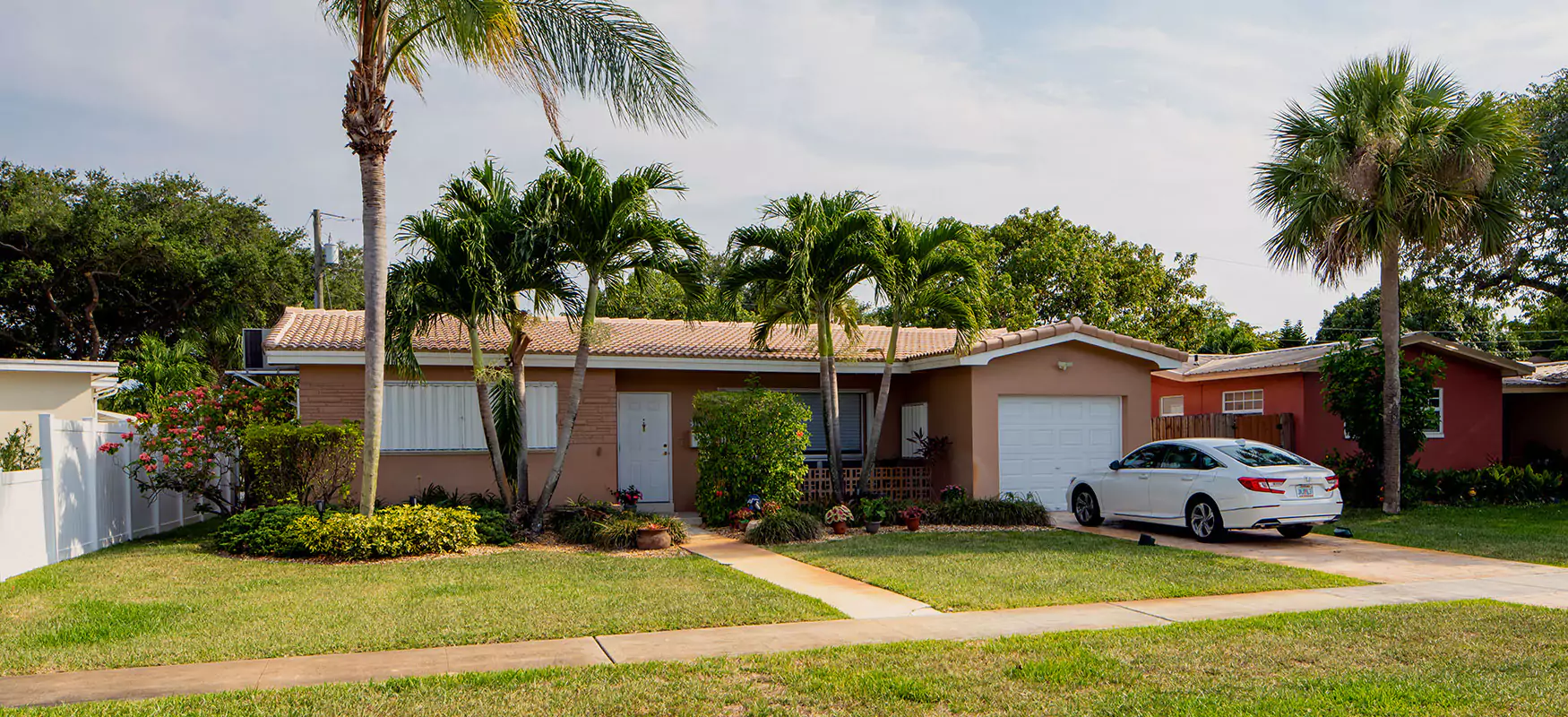
Selling a San Diego home can come with more than one type of tax or closing cost. The main things to understand are capital gains, transfer tax, property tax prorations, possible California withholding, and how selling costs affect what you keep after closing.
Taxes on Selling a San Diego Home in California
If you are getting ready to sell a house in San Diego, the sale price is only part of the picture. What matters most is your net proceeds after taxes, mortgage payoff, liens, repairs, commissions, closing costs, and any credits given to the buyer.
As of 2026, eligible homeowners may still be able to exclude up to $250,000 of gain from the sale of a main home, or up to $500,000 for married couples filing jointly, if they meet the IRS ownership and use requirements. California also follows home sale exclusion rules, but California does not have a special lower capital gains tax rate. Capital gains are generally taxed as ordinary income at the state level.
If you are thinking, “I need to sell my house fast,” it helps to understand these numbers before choosing between a traditional listing and a direct cash offer from I Buy SD.

Capital Gains
This is the profit from the sale after considering your basis, improvements, selling expenses, and any exclusion you qualify for.
Main Home Exclusion
Some sellers can exclude part or all of their gain if the home was their primary residence and they meet the ownership and use rules.
Transfer Tax
San Diego sellers should also account for documentary transfer tax and normal closing costs when estimating net proceeds.
Withholding
California real estate withholding may apply in some sales. It is generally a prepayment toward taxes, not always an extra tax.
How Capital Gains Tax Works When You Sell A San Diego Home
Capital gains tax is based on the gain from the sale, not the full sale price. In simple terms, your gain is usually the sale price minus your adjusted basis and certain selling costs. Your basis often starts with what you paid for the home, then may be adjusted for qualifying improvements, depreciation, or other tax items.
The federal tax treatment depends on whether the property was your main home, how long you owned and used it, your income, and whether any exclusion applies. If you qualify for the main home exclusion, part or all of your gain may not be taxable at the federal level. If the property was a rental, investment property, vacation home, or second home, the result can be different.
California matters too. Unlike the federal system, California does not have a separate lower tax rate for capital gains. If your home sale produces taxable gain after any exclusion, California generally treats that gain as ordinary income.
Look At Gain, Not Just Price
A $900,000 sale does not automatically mean $900,000 is taxable. The taxable portion depends on your basis, improvements, selling costs, exclusions, depreciation, and the type of property being sold.
The Main Home Exclusion For California Sellers
If the San Diego property was your primary residence, you may qualify for the home sale exclusion. This is the rule that allows eligible single filers to exclude up to $250,000 of gain and eligible married couples filing jointly to exclude up to $500,000 of gain.
The basic idea is that you generally need to have owned and used the home as your main home for at least two years during the five-year period before the sale. There are additional details and exceptions, so it is worth checking with a CPA or tax professional before assuming you qualify.
This exclusion can make a major difference in San Diego because home values have increased significantly for many owners. A seller who bought years ago may have a large gain on paper, but the taxable result depends on the full calculation.
Questions To Answer Before You Estimate Taxes
Was the home your primary residence? How long did you own it? Did you live there for at least two of the last five years? Did you rent it out? Did you claim depreciation? Did you make major improvements? Did you receive a Form 1099-S? These details can change the tax result.
A tax professional can use the full facts to estimate the likely gain, exclusion, withholding, and reporting requirements.
What Counts Toward Your Adjusted Basis?
Your adjusted basis is important because it helps determine your gain. It may include your original purchase price and certain capital improvements that added value, extended the life of the property, or adapted it to a new use. Examples may include major renovations, an addition, a new roof, certain system upgrades, or other qualifying improvements.
Regular maintenance usually does not work the same way. Painting, basic repairs, landscaping upkeep, or small fixes may help the home sell, but they are not always treated as basis increases. This is another reason to organize records before selling.
If you do not have receipts, permits, or old closing documents, ask your escrow company, lender, tax preparer, or county records office what may still be available.
California Transfer Taxes And San Diego Closing Costs
Transfer tax is separate from capital gains tax. In San Diego, documentary transfer tax is commonly calculated at $0.55 per $500 or fractional part of the property value. On a $900,000 sale, that would generally be $990 before considering any special local rules, exemptions, or transaction details.
Closing costs can also include escrow fees, title fees, recording charges, HOA transfer items, prorated property taxes, payoff fees, and any negotiated buyer credits. If you list with an agent, commissions may also reduce the amount you keep.
If you want a clearer estimate of the difference between a listing and a direct sale, the home selling calculator from I Buy SD can help you think through common selling costs before making a decision.
Property Taxes Owed At Closing
Property taxes do not disappear when the home sells. In a normal escrow, taxes are usually prorated between the buyer and seller based on the closing date. If taxes are unpaid, delinquent, or tied to a lien, they may need to be paid from the seller’s proceeds at closing.
This matters for homeowners who need to stop foreclosure, are behind on taxes, or have other debt attached to the property. A sale may still be possible, but the payoff numbers need to be reviewed early so there are no surprises when escrow prepares the settlement statement.
For owners who are already dealing with unpaid taxes, liens, or mortgage pressure, timing can matter more than trying to make the home perfect before selling.
Prorated Taxes
Escrow usually splits property taxes based on the closing date, so each side is responsible for the part of the year they own the property.
Unpaid Balances
Delinquent taxes, liens, mortgage payoff, and other recorded debts can reduce the amount you receive when escrow closes.
Net Proceeds
The number that matters most is what you keep after payoff, taxes, fees, repairs, commissions, and credits are accounted for.
California Real Estate Withholding Is Not Always The Same As Tax Owed
California real estate withholding can be confusing because it may show up during escrow and feel like a tax. In many cases, withholding is a prepayment toward possible California income tax on the sale. The final tax owed depends on your actual gain, filing status, exemptions, and tax return.
Some sellers may qualify for an exemption from withholding, such as certain principal residence situations, but the paperwork needs to be handled correctly. This is usually addressed through escrow and California Form 593. Do not assume the withholding number is the final tax bill.
If you are selling because you need to sell a probate home, sell an inherited home, sell a rental home, or sell a divorce home, it is especially important to ask about withholding early. The person signing, the type of ownership, and the reason for the sale can all affect the paperwork.
Taxes On Selling An Inherited, Probate, Rental, Or Divorce Home
Not every San Diego home sale is a simple owner-occupied sale. The tax result can change when the property was inherited, rented out, held in a trust, part of a probate case, or being sold during divorce.
If you need to sell inherited house or sell probate house, the starting point is often the property’s basis. Inherited property may receive a stepped-up basis, which can reduce taxable gain, but the estate, probate timing, and sale date still matter.
If you need to sell rental property, the tax picture may involve depreciation, rental income history, repairs, suspended losses, and possibly depreciation recapture. A rental sale may also be different from selling your main home because the main residence exclusion may not apply in the same way.
If you need to sell house during divorce, taxes can become part of the larger financial settlement. The timing of the sale, who lived in the home, how the proceeds are divided, and how the ownership is structured can all matter. A divorce attorney and tax professional can help make sure the sale is handled correctly.
Selling Fast Can Change The Math
When a homeowner needs speed, the question is not only what the highest possible sale price could be. It is also how much time, money, and risk it would take to get there. Taxes, repairs, holding costs, commissions, and closing costs should all be part of the comparison.
How Selling Costs Affect Your Final Tax Picture
Selling expenses can affect both your net proceeds and the way gain is calculated. Costs such as commissions, escrow fees, title fees, transfer taxes, and certain closing costs may reduce what you keep after the sale. Some selling expenses may also affect the gain calculation, depending on the type of cost and how it is reported.
Repairs are different from improvements. A repair may help the house sell, but it may not increase basis the same way a qualifying capital improvement might. This is why it helps to separate repair receipts, improvement records, closing statements, and old purchase documents before tax season.
If you sell to cash home buyers, the structure can look different from a traditional listing. A direct buyer may buy the house as is, which can reduce repair spending and shorten the timeline. At the same time, you still need to understand payoff amounts, liens, tax prorations, and any taxable gain.
Should You Sell Traditionally Or Compare A Cash Offer?
A traditional listing may work well if your San Diego home is in good condition, you have time, and you are comfortable preparing the property for the market. That route may bring retail buyer interest, but it can also involve repairs, showings, inspections, commissions, buyer financing, and renegotiation after the offer is accepted.
A cash sale may be easier if the home needs repairs, has tenants, has back taxes, is part of probate, or needs to close quickly. This is why homeowners searching for we buy houses San Diego or cash home buyers San Diego often want a number they can compare against the cost of listing.
At I Buy SD, we buy houses in San Diego and help homeowners compare a direct sale against their other options. If your goal is to sell my house fast, a cash offer can give you a practical number to review before you spend more time and money preparing the home for sale.
What To Gather Before You Sell
Before you choose a selling path, collect your closing statement from when you bought the home, records of major improvements, your latest mortgage payoff estimate, property tax bills, HOA information, rental records if applicable, and any notices related to liens or unpaid taxes.
You should also ask escrow or your tax professional whether Form 1099-S, California Form 593, or other tax paperwork may apply. The earlier you know what will be needed, the easier it is to estimate your net proceeds.
If the property is inherited, in probate, tenant-occupied, or connected to a divorce, gather the legal documents related to ownership and authority to sell. That can prevent delays once a buyer is ready to move forward.
When Taxes Should Be Reviewed Early
If the property has a large gain, was rented out, was inherited, has unpaid taxes, or is being sold during divorce, do not wait until the end of escrow to ask tax questions. These situations can affect the final amount you keep and the paperwork needed to close.
A CPA or enrolled agent can help estimate the tax result before you commit to a sale strategy.
When A Direct Sale May Help
If you are more worried about speed, repairs, cleanup, tenants, or avoiding a long listing process, a direct offer may make the decision easier. You can compare the offer against the cost of preparing the home, waiting on the market, and paying normal selling expenses.
That comparison can be especially helpful when the home is not in retail-ready condition.
Talk With I Buy SD Before You Decide How To Sell
Selling a San Diego home can involve capital gains, property tax prorations, documentary transfer tax, withholding forms, and other closing costs. You do not need to understand every tax rule before asking what your selling options look like, but you should know enough to compare your net proceeds clearly.
If you want to compare a traditional sale with a direct cash sale, I Buy SD can review the property and explain what a cash offer may look like. We buy houses in San Diego in many different conditions and situations, including inherited homes, rental properties, homes with repairs, and properties where the seller wants a faster closing.
This page is general information and not tax advice. Before making a decision, speak with a qualified tax professional about your specific situation.
Get A Clear Cash Offer For Your San Diego Home
If you are trying to sell my house fast and want to understand your options before spending money on repairs or a traditional listing, I Buy SD can help you compare the numbers.
Call (619) 566-1721
Or complete our online form to get started.